¿Interesado? Contáctanos ahora
Para contactarnos, por favor llena el formulario a la derecha o envíanos un correo directamente a la dirección de abajo
sales@senecaesg.com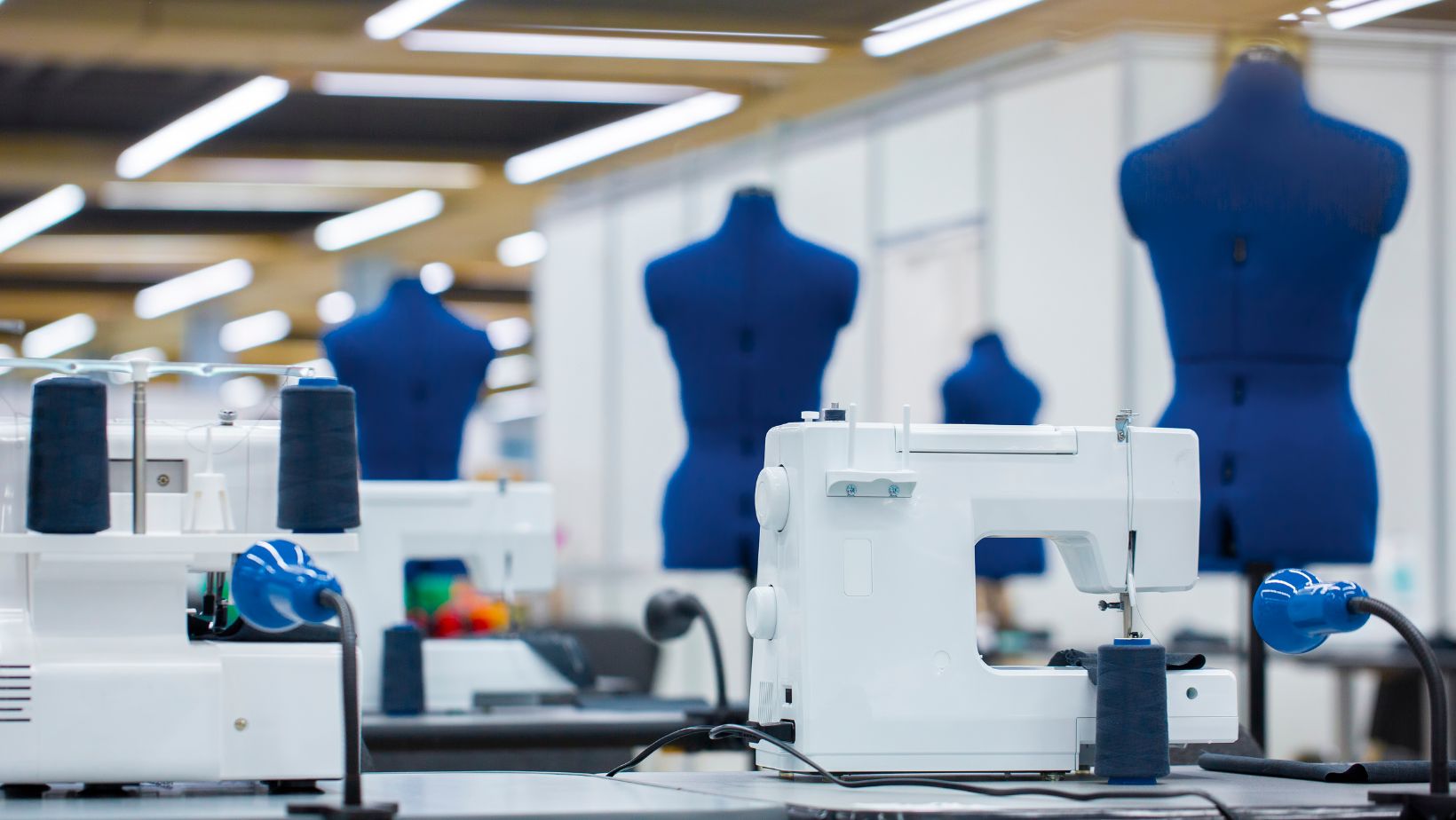
A challenging economy, coupled with the imperative for sustainability, is driving transformative changes within fashion companies. The market faces fluctuating inflation, prompting some brands to slow down or halt sustainability initiatives. However, new regulations on sustainability and rising consumer demand for transparency, particularly from younger buyers, are pushing companies to adapt.
The economic aspect of the fashion supply chain and its environmental footprint are now seen as complementary priorities that contribute to business success in terms of both brand image and revenue. Companies are increasingly merging corporate social responsibility (CSR) with economic goals, leading to the emergence of a new approach termed “Econogy.” Introduced during the Techtextil and Texprocess fairs in Frankfurt in 2023, Econogy combines “economy” and “ecology,” promoting the idea that sustainability and profitability are fundamentally interconnected.
Adopting an Econogy approach offers multiple benefits. It enhances sustainability, improves process efficiency, reduces costs, and boosts long-term competitiveness. This strategy helps companies meet evolving customer needs for low-impact products at affordable prices.
Technology plays a crucial role in this transformation. Industry 4.0 applications, such as cloud computing, the Internet of Things (IoT), big data, and artificial intelligence (AI), provide full connectivity and visibility throughout the supply chain. These tools optimize processes, enhance performance, improve energy use, and limit the carbon footprint.
In garment production, raw materials constitute 60%-70% of production costs. Intelligent and connected technologies can significantly reduce material waste, starting from the cutting room, where eco-design principles are applied. Advanced systems supporting on-demand production improve warehouse management, limit excessive material use, and reduce the risk of unsold items.
Sustainable practices extend beyond production. New technology platforms can trace and monitor fabric origins from fiber to consumer, ensuring compliance with regulatory requirements and supporting informed decisions about sustainable materials. Upcoming regulations, like the EU Digital Product Passport (DPP), will track product lifecycles, offering greater transparency for companies and consumers.
Sources:
Monitorea el desempeño ESG en carteras, crea tus propios marcos ESG y toma decisiones empresariales mejor informadas.
Para contactarnos, por favor llena el formulario a la derecha o envíanos un correo directamente a la dirección de abajo
sales@senecaesg.com7 Straits View, Marina One East Tower, #05-01, Singapur 018936
+(65) 6223 8888
Carrer de la Tapineria, 10
Ciutat Vella, 08002, Barcelona, Spain
+34 612 22 79 06
77 Dunhua South Road, 7F Sección 2, Distrito Da'an, Taipéi, Taiwán 106414
(+886) 02 2706 2108
Av Jorge Basadre Grohmann 607 San Isidro, Lima, Perú 15073
(+51) 951 722 377