Interested? Contact us now
In order to contact us please fill the form on the right or directly email us at the address below
sales@senecaesg.comThe real estate industry in the Asia-Pacific (APAC) region is undergoing a transformative phase as emerging Environmental, Social, and Governance (ESG) trends become increasingly integral to business strategies and operational processes. This shift is not only reshaping the foundational aspects of the industry but also presenting myriad implications for developers, investors, and stakeholders within the region. As the real estate sector is pivotal to economic development and urbanization in APAC, these ESG trends are crucial in fostering sustainable and resilient urban ecosystems.
Intersection of ESG and Real Estate
The convergence of ESG and real estate is a manifestation of the growing awareness and acknowledgment of the industry’s impact on the environment, communities, and economies. Real estate activities, from construction to operation, are significant contributors to energy consumption, carbon emissions, and resource utilization. Simultaneously, they are closely intertwined with social aspects such as community well-being, inclusivity, and quality of life. Governance structures within the industry affect organizational performance, risk management, and stakeholder relationships. Hence, the integration of ESG principles is vital for addressing the multifaceted impacts of the real estate sector.
Pivotal ESG Trends in APAC’s Real Estate Sector
Several ESG trends are gaining prominence in APAC’s real estate industry. Sustainable construction practices are being adopted widely, focusing on energy-efficient designs, green building materials, and waste minimization. The emphasis on renewable energy sources and energy conservation is transforming the operational dynamics of real estate assets.
Investors and financiers are increasingly factoring in ESG performance in their investment and lending decisions, leading to a surge in sustainable financing instruments like green bonds and sustainability-linked loans within the sector. ESG disclosures and reporting are becoming standardized, allowing for enhanced transparency, comparability, and accountability within the industry.
Further, there is a growing acknowledgment of the social role of real estate. Inclusive design, community engagement, and social impact assessments are becoming inherent to real estate development and management. Urban regeneration and affordable housing initiatives are reflecting the industry’s commitment to social equity and community development.
Implications for the Industry
The permeation of ESG trends in the real estate sector holds substantial implications. It necessitates a reevaluation and recalibration of business models, strategies, and practices to align with sustainability imperatives. Companies are required to integrate ESG considerations into risk assessments, decision-making processes, and value creation frameworks.
The evolution of ESG norms is altering the competitive landscape of the industry, creating new market opportunities and competitive advantages for early adopters and innovators. It is fostering a culture of continuous improvement and learning within the industry, driving advancements in sustainable technologies, methodologies, and solutions.
Moreover, the strategic integration of ESG principles is enhancing the industry’s resilience and adaptability. It is enabling real estate entities to anticipate, respond to, and mitigate emerging risks related to climate change, regulatory shifts, and societal expectations. The focus on stakeholder value is facilitating the cultivation of stronger, more collaborative, and mutually beneficial relationships with diverse stakeholders, including communities, customers, employees, and suppliers.
Towards Sustainable Urban Futures
The ESG trends emerging within APAC’s real estate sector are indicative of a broader shift towards sustainable and responsible business practices. They signify the industry’s role and responsibility in shaping sustainable urban futures and contributing to the achievement of global sustainability goals.
The journey ahead involves challenges, complexities, and uncertainties. However, the proactive and holistic adoption of ESG principles is a pathway to creating enduring value for the industry and society. It is a catalyst for innovation, transformation, and progress, enabling the real estate sector in APAC to be a leader in building a more sustainable, equitable, and prosperous world.
In conclusion, the real estate sector in the APAC region is at the forefront of adopting and integrating emerging ESG trends, reflecting a deepening understanding of the inherent connections between the built environment, natural ecosystems, and societal well-being. As the industry continues to evolve and mature in its sustainability journey, the implications of ESG integration will be profound and far-reaching, reshaping the future landscape of real estate in the region.
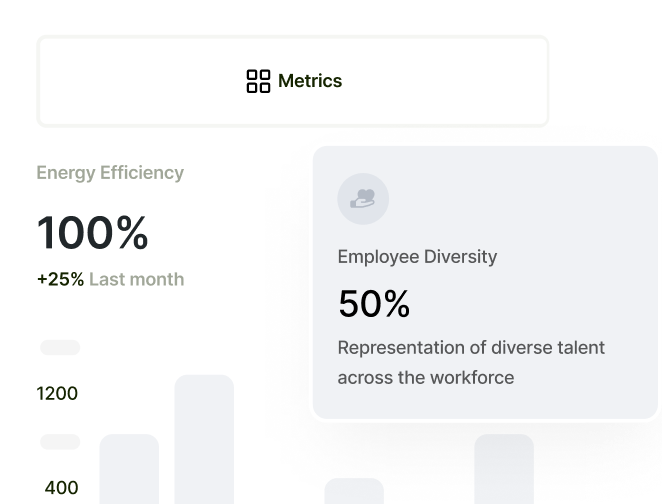
Monitor ESG performance in portfolios, create your own ESG frameworks, and make better informed business decisions.
In order to contact us please fill the form on the right or directly email us at the address below
sales@senecaesg.com7 Straits View, Marina One East Tower, #05-01, Singapore 018936
+(65) 6223 8888
Carrer de la Tapineria, 10
Ciutat Vella, 08002, Barcelona, Spain
+34 612 22 79 06
77 Dunhua South Road, 7F Section 2, Da'an District Taipei City, Taiwan 106414
(+886) 02 2706 2108
Av. Santo Toribio 143,
San Isidro, Lima, Peru, 15073
(+51) 951 722 377