Interested? Contact us now
In order to contact us please fill the form on the right or directly email us at the address below
sales@senecaesg.comIntroduction
As businesses grapple with the increasing importance of Environmental, Social, and Governance (ESG) factors, stakeholder engagement has emerged as a critical component. Gone are the days when businesses could focus solely on shareholder value; today, they must consider the interests and concerns of a broad array of stakeholders, from employees and customers to communities and regulators. Effective stakeholder engagement is not just an ethical imperative but a business necessity that can define a company’s success in the long term. This article outlines strategies for effective stakeholder engagement in the context of ESG.
The Importance of Stakeholder Engagement in ESG
Stakeholder engagement serves as a two-way street that allows a company to inform and be informed. In the ESG context, this engagement offers several benefits:
****Risk Mitigation:****Understanding stakeholder concerns can help companies anticipate and mitigate risks related to environmental and social issues.
Informed Decision-Making: Effective engagement provides valuable insights, making ESG initiatives more targeted and impactful.
****Brand Strengthening:****Proactive and transparent engagement can significantly enhance brand value and customer loyalty.
****Investor Relations:****Increasingly, investors prioritize ESG performance, making stakeholder engagement essential for attracting and retaining investment.
Identifying Stakeholders
Before diving into engagement strategies, companies must identify who their stakeholders are. A stakeholder map that categorizes individuals or groups based on their impact and interest in the company’s ESG initiatives can be particularly useful.
Strategies for Effective Engagement
Open and Transparent Communication
Transparency is the cornerstone of any successful engagement strategy. Companies should be upfront about their ESG goals, current performance, and future initiatives, taking the time to explain the reasoning behind their actions.
Regularly Scheduled Interactions
Consistent and ongoing interactions, such as quarterly meetings, webinars, or annual sustainability reports, can help keep stakeholders informed and engaged. This regularity also offers stakeholders opportunities to voice their concerns or suggestions.
Utilizing Various Channels
Different stakeholders prefer different communication channels. While investors might appreciate detailed ESG reports, employees might find town hall meetings more engaging, and the broader community might respond better to social media updates.
Collaborative Goal Setting
Involve stakeholders in the process of setting ESG goals for the company. This fosters a sense of ownership and increases the likelihood of successful implementation.
Soliciting Feedback and Acting Upon It
Stakeholder engagement is not just about informing; it’s also about listening. Solicit feedback through surveys, focus groups, or direct consultations and demonstrate that the feedback has been taken into account in your subsequent actions.
Issue-Specific Engagements
Sometimes, it’s effective to have issue-specific engagements that focus on particular ESG aspects, like climate change or social justice. These can take the form of specialized committees or task forces that involve representatives from various stakeholder groups.
Involving Stakeholders in Monitoring and Reporting
Stakeholder participation shouldn’t end after the planning stage. Involve them in the monitoring and reporting processes to ensure that the ESG initiatives are effectively implemented and adjusted as needed.
Leveraging Technology
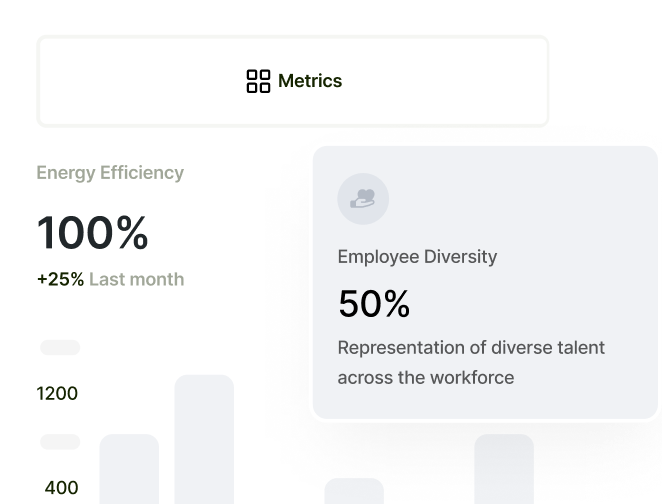
Digital platforms can offer an additional layer of engagement, providing stakeholders with real-time updates on ESG performance. These platforms can offer dashboards, chat features, and data analytics tools that make the engagement more interactive and insightful.
Conclusion
Effective stakeholder engagement in the realm of ESG is not merely an add-on but a vital strategy that has significant implications for a company’s reputation, risk management, and long-term success. By employing strategies like open communication, regular interactions, collaborative goal setting, and leveraging technology, companies can build strong relationships with their stakeholders. This symbiotic relationship not only enhances ESG performance but also creates a competitive edge in today’s socially conscious market.
Monitor ESG performance in portfolios, create your own ESG frameworks, and make better informed business decisions.
In order to contact us please fill the form on the right or directly email us at the address below
sales@senecaesg.com7 Straits View, Marina One East Tower, #05-01, Singapore 018936
+(65) 6223 8888
Carrer de la Tapineria, 10
Ciutat Vella, 08002, Barcelona, Spain
+34 612 22 79 06
77 Dunhua South Road, 7F Section 2, Da'an District Taipei City, Taiwan 106414
(+886) 02 2706 2108
Av. Santo Toribio 143,
San Isidro, Lima, Peru, 15073
(+51) 951 722 377