관심 있으신가요? 지금 문의하세요
문의하려면 오른쪽 폼을 작성하시거나 아래 이메일 주소로 연락 주십시오.
sales@senecaesg.comUS electric vehicle (EV) maker Tesla recently filed a product recall plan with China’s State Administration for Market Regulation (SAMR), as reported by People.cn on October 26. The carmaker plans to recall a portion of its imported Model S and Model X cars, totaling 48,442 units. These cars were produced between September 17, 2013, and January 15, 2018, with potential defects in front, rear, or both suspensions. By recalling those cars, Tesla will exchange related components for free to eliminate safety risks.
Tesla claimed that this vehicle recall scheme would only be conducted in the Chinese market due to pressure from SAMR to take such actions. Following the news, the US National Highway Traffic Safety Administration (MHTSA) stated that it will keep an eye on Tesla’s recall plan in China to see if it needs to implement similar measures on the company in America. As for the US company itself, it believes that its cars did not have defects in suspension but pointed to poor driving behavior of Chinese drivers as the culprit for broken suspensions. Although Tesla believes its suspension parts are without defect, in its legal counselor’s letter to the MHTSA, it explains that the reason that the company did not raise an objection with SAMR was to avoid high administrative processing costs.
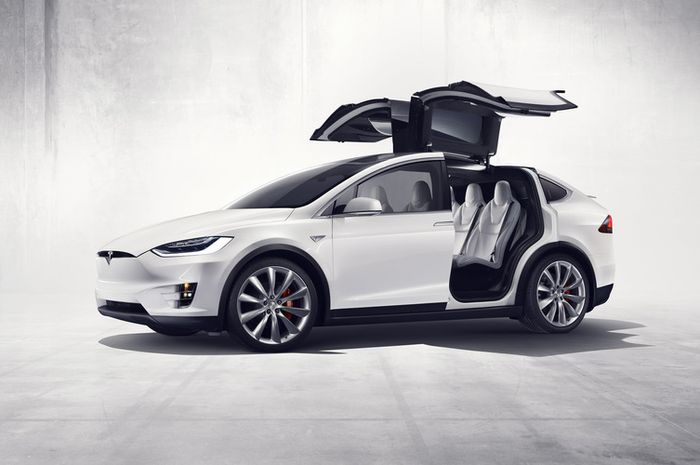
In general, the suspension of a car may be damaged after severe impact. However, in the past few years, several Tesla car owners in China encountered suspension breaking accidents when driving in circumstances that did not involve impact, such as parking, implying basic quality issues in Tesla’s vehicles. Insiders indicated that from 2016, there were over ten of such incidents in the country. According to SAMR’s published notice, Tesla’s product recall campaign took place due to a defect investigation from the central bureau. Previously, the company had not made any public responses to those accidents before.
Nevertheless, the product recalls this time may not impact Tesla’s performance in the country. Currently, Tesla only manufactures Model 3 cars in the Shanghai Gigafactory, with Model S and Model X vehicles produced in the US and then imported to China. For the first eight months of 2020, Tesla sold nearly 71,000 Model 3 cars in China, top digits among EV brands. In contrast to the popularity of the China-made Model 3 in the country, the combined sales of Model S and X cars accounted for 6% and 4%, respectively, of the company’s total sale volumes in the Chinese market for 1Q20 and 2Q20, even lower than the proportion of 11% in its global sales.
Reference:
http://auto.people.com.cn/n1/2020/1026/c1005-31905681.html
http://www.21jingji.com/2020/7-30/yOMDEzODFfMTU3OTQyOQ.html
http://news.bandao.cn/a/422804.html
http://news.zol.com.cn/754/7548965.html
https://www.cnbeta.com/articles/tech/1044679.htm
https://news.cnstock.com/news,bwkx-202009-4591320.htm
https://finance.sina.com.cn/tech/2020-10-24/doc-iiznctkc7432611.shtml
포트폴리오의 ESG 성과를 모니터링하고, 나만의 ESG 프레임워크를 만들며, 더 나은 비즈니스 의사결정을 내리세요.
문의하려면 오른쪽 폼을 작성하시거나 아래 이메일 주소로 연락 주십시오.
sales@senecaesg.com7 Straits View, Marina One East Tower, #05-01, Singapore 018936
+(65) 6223 8888
Carrer de la Tapineria, 10
Ciutat Vella, 08002, Barcelona, Spain
+34 612 22 79 06
77 Dunhua South Road, 7F Section 2, Da'an District Taipei City, Taiwan 106414
(+886) 02 2706 2108
Av. Santo Toribio 143,
San Isidro, Lima, Peru, 15073
(+51) 951 722 377