有興趣?立即聯絡我們
請填寫右側表單,或直接郵件聯絡我們:
sales@senecaesg.comThe integration of Environmental, Social, and Governance (ESG) guidelines within corporate cultures is fundamental for fostering sustainable and responsible business practices. The Asia-Pacific (APAC) region, with its dynamic economic landscape, is increasingly recognizing the imperative of embedding ESG principles within corporate strategies to align business operations with broader societal and environmental goals. This article will explore the significance, challenges, and progress of integrating ESG guidelines in APAC’s corporate culture.
Importance of ESG Integration in Corporate Culture
Incorporating ESG guidelines in corporate culture is pivotal for achieving long-term organizational success and sustainability. This integration facilitates companies to address and mitigate environmental impacts, uphold social values and ethical norms, and ensure adherence to robust governance structures. Consequently, organizations can enhance their resilience, foster innovation, and strengthen stakeholder relationships, thereby contributing to overall societal welfare and environmental conservation.
For the diverse and rapidly evolving economies within APAC, integrating ESG components within corporate cultures is crucial. This integration enables companies in the region to navigate through the complexities of social disparities, environmental vulnerabilities, and governance discrepancies, ensuring balanced and sustainable growth.
Strategies for ESG Integration
Several companies in the APAC region are adopting comprehensive strategies to integrate ESG guidelines within their organizational frameworks. They are defining clear ESG objectives, embedding sustainability in their corporate visions and missions, and ensuring alignment of business operations with ESG principles.
Companies are investing in educational programs and training sessions aimed at enhancing employee understanding and awareness of sustainability issues and ESG principles. By fostering a work environment where sustainability is valued and understood, companies can drive employee engagement in ESG initiatives.
Engaging with various stakeholders, including employees, customers, suppliers, and communities, is crucial for comprehending diverse perspectives and expectations related to ESG issues. Through dialogue and collaboration, companies can identify material ESG aspects and develop strategies to address them effectively.
The adoption of recognized ESG metrics and reporting frameworks allows companies to monitor, assess, and communicate their ESG performance transparently. This transparency can enhance corporate accountability and stakeholder trust, facilitating informed decision-making by investors, consumers, and other stakeholders.
Challenges and Solutions
While the momentum for ESG integration in APAC is growing, companies in the region face several challenges, including the lack of standardized ESG frameworks, inadequate ESG data quality and availability, and varying ESG priorities and expectations among stakeholders. To overcome these challenges, there is a need for the development of region-specific ESG frameworks and standards, improved ESG data management and disclosure practices, and enhanced multi-stakeholder collaboration and dialogue on ESG priorities and solutions.
The promotion of ESG integration within corporate culture also necessitates a shift in organizational mindsets and attitudes towards sustainability. Companies need to recognize the intrinsic value of ESG integration in enhancing organizational resilience, competitiveness, and reputation and view it as a strategic imperative rather than a compliance obligation.
Way Forward
The integration of ESG guidelines within corporate cultures in the APAC region is not merely a trend but a fundamental component of corporate evolution in the modern business landscape. It requires continuous effort, commitment, and leadership to embed sustainability in every facet of corporate existence.
It is imperative for companies in the APAC region to cultivate a sustainability-centric corporate culture, wherein ESG principles are ingrained in organizational values, behaviors, and decision-making processes. By doing so, companies can drive sustainable innovation, enhance stakeholder value, and contribute to the attainment of broader societal and environmental objectives.
In conclusion, the integration of ESG guidelines in APAC’s corporate culture is a blueprint for progress, paving the way for a sustainable and inclusive future. By embracing ESG principles and proactively addressing environmental, social, and governance issues, companies in the APAC region can play a pivotal role in shaping a resilient and equitable global economy. This integration not only augurs well for the business community but also serves as a beacon of hope for future generations, underscoring the transformative power of business in creating a better world.
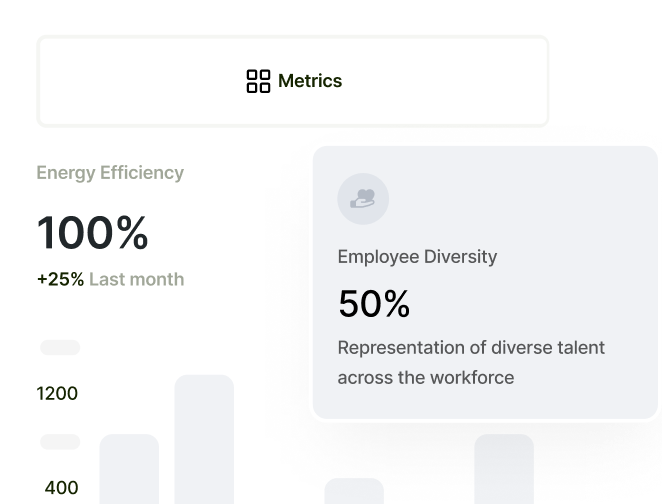
監控投資組合 ESG 表現,自建 ESG 框架,讓商業決策更精準。
請填寫右側表單,或直接郵件聯絡我們:
sales@senecaesg.com7 Straits View, Marina One East Tower, #05-01, Singapore 018936
+(65) 6223 8888
Carrer de la Tapineria, 10
Ciutat Vella, 08002, Barcelona, Spain
+34 612 22 79 06
台灣台北市大安區敦化南路二段77號7樓,106414
(+886) 02 2706 2108
Av. Santo Toribio 143,
San Isidro, Lima, Peru, 15073
(+51) 951 722 377