有興趣?立即聯絡我們
請填寫右側表單,或直接郵件聯絡我們:
sales@senecaesg.comAs the clock ticks on climate change and global environmental challenges, the corporate world is awakening to its role in shaping a sustainable future. Companies are no longer evaluated solely based on their financial performance; their environmental impact is equally in the spotlight. This shift is encapsulated in the rise of Environmental, Social, and Governance (ESG) metrics, with environmental reporting emerging as a cornerstone.
The Dawn of Environmental Reporting
Historically, businesses primarily reported financial metrics to stakeholders. However, with the increasing recognition of the planet’s fragility and the corporate sector’s environmental influence, a new dimension of reporting has emerged. Environmental reporting encapsulates a company’s:
Carbon emissions and overall carbon footprint.
Waste management practices and recycling efforts.
Water usage and conservation initiatives.
Energy consumption and the shift towards renewable sources.
Why Environmental Reporting Matters
1. Stakeholder Demand: Investors, consumers, and regulators increasingly demand transparency on environmental issues. They want to ensure their money supports sustainable operations.
2. Risk Management: Climate risks can jeopardize operations. Whether it’s rising sea levels affecting coastal facilities or changing weather patterns disrupting agriculture, understanding these risks is crucial.
3. Reputational Benefits: Companies that transparently report and actively improve their environmental performance often enjoy a stronger brand image and consumer trust.
4. Operational Improvements: Regular environmental reporting can highlight inefficiencies, driving companies to adopt cleaner technologies or streamline operations.
C****hallenges in Comprehensive Reporting
Despite its importance, several challenges can hinder effective environmental reporting:
Data Collection: Accurately gathering environmental impact data across global operations can be daunting, especially for large corporations with diverse operations.
Standardization: Different regions and industries might have varied environmental reporting standards, leading to inconsistencies.
Short-term Costs: Transitioning to environmentally-friendly operations might incur short-term costs, leading some companies to delay these initiatives.
Bright Spots on the Horizon
The landscape of environmental reporting, though challenging, is ripe with opportunities and innovations:
Technological Advancements: Tools like artificial intelligence, satellite imaging, and blockchain are making data collection, verification, and reporting more efficient and transparent.
Collaborative Initiatives: Cross-industry partnerships, like the Task Force on Climate-related Financial Disclosures (TCFD) or the Global Reporting Initiative (GRI), are developing standardized reporting frameworks.
Regulatory Push: Governments worldwide are not only advocating for but mandating comprehensive environmental disclosure, ensuring more businesses fall in line.
In Conclusion
The rise of environmental reporting isn’t just a fleeting trend; it’s a reflection of a broader global movement towards sustainability and transparency. As businesses strive to shed light on their environmental impact, they not only contribute to a more sustainable planet but also navigate a path of resilience and growth in an eco-conscious global economy. In the grand tapestry of ESG, environmental reporting threads a narrative of responsibility, foresight, and genuine commitment to a world where profit meets planet.
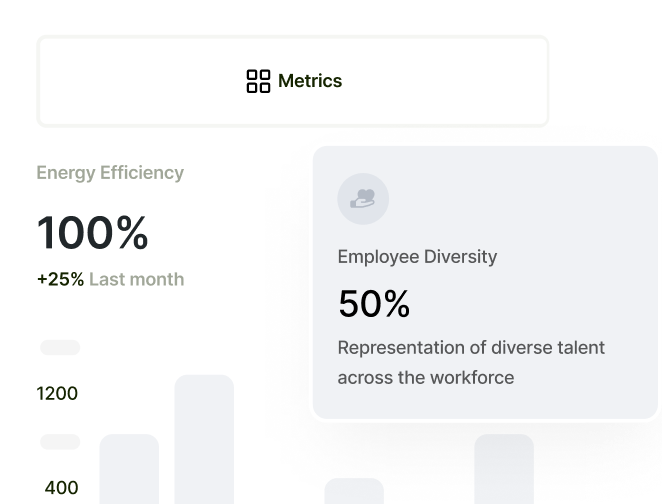
監控投資組合 ESG 表現,自建 ESG 框架,讓商業決策更精準。
請填寫右側表單,或直接郵件聯絡我們:
sales@senecaesg.com7 Straits View, Marina One East Tower, #05-01, Singapore 018936
+(65) 6223 8888
Carrer de la Tapineria, 10
Ciutat Vella, 08002, Barcelona, Spain
+34 612 22 79 06
台灣台北市大安區敦化南路二段77號7樓,106414
(+886) 02 2706 2108
Av. Santo Toribio 143,
San Isidro, Lima, Peru, 15073
(+51) 951 722 377