관심 있으신가요? 지금 문의하세요
문의하려면 오른쪽 폼을 작성하시거나 아래 이메일 주소로 연락 주십시오.
sales@senecaesg.com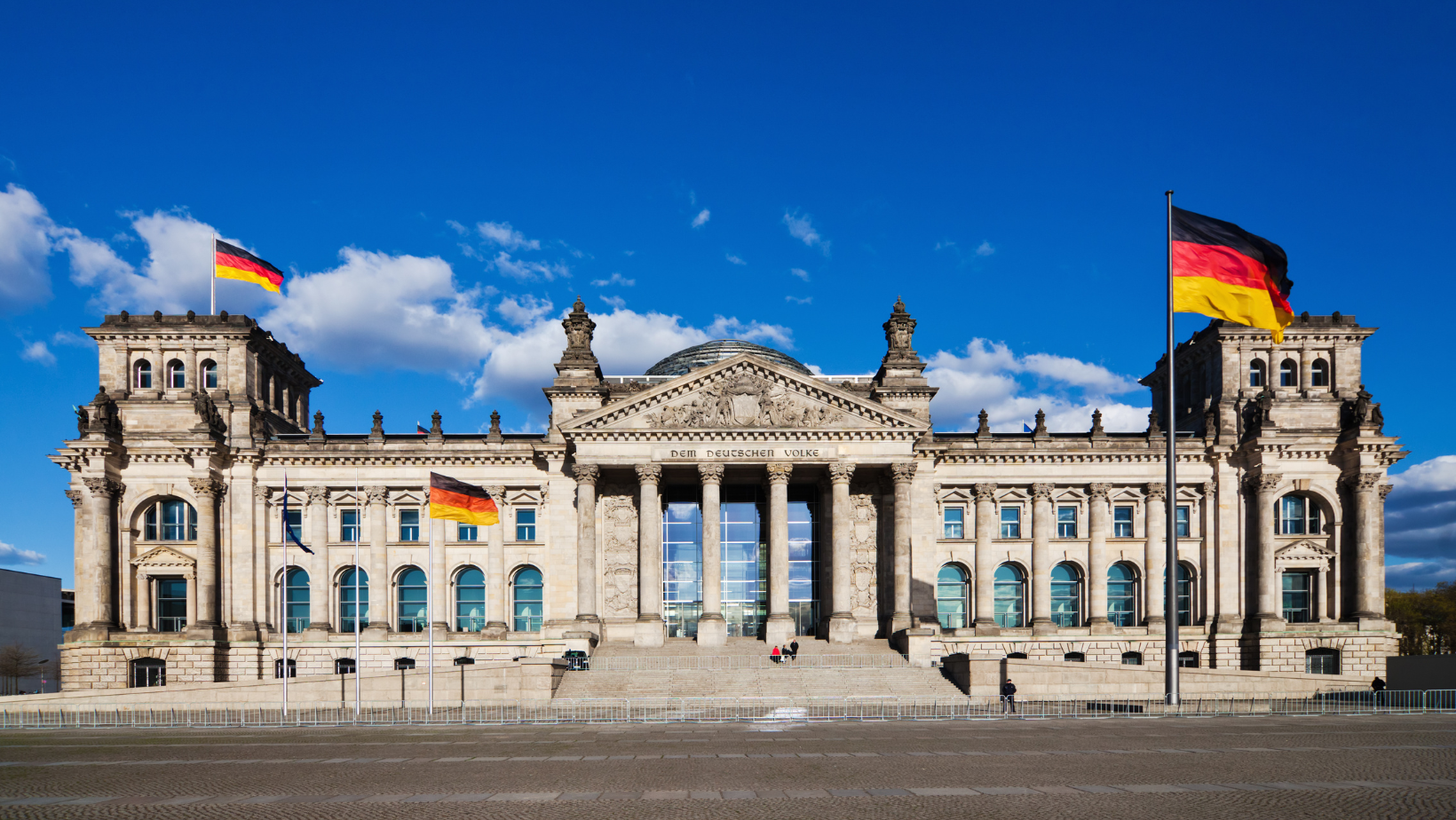
Germany is ramping up efforts to meet its ambitious carbon neutral strategy, which aims for 80% renewable energy by 2030 and full carbon neutrality by 2045. To achieve this, the country plans to tender 10 GW of new gas-powered facilities that will eventually run on hydrogen, retrofit 2 GW of existing gas plants, and develop a 0.5 GW experimental hydrogen-fired plant. Despite these measures, this would only cover half of the 25 GW of gas-fired capacity proposed earlier in 2023 by Economy Minister Robert Habeck to reduce reliance on coal-fired power.
Lukas Feldhaus of the Thema Consulting Group emphasized the necessity of this capacity for Germany’s future energy needs. Experts warn that without adequate hydrogen-ready infrastructure, Germany may miss its decarbonisation targets.
According to Konstantin Lenz, senior analyst at Volue, if hydrogen-ready capacity falls short, coal plants may remain operational until 2034-2035. Volue’s analysis indicates that an additional 14 GW of power capacity will be necessary by 2030, requiring investments in power storage and flexible demand solutions, including home storage systems to support the grid during winter.
However, this scenario conflicts with the government’s objective of phasing out coal by 2030. Lenz also pointed out that progress on storage and smart metering technology is slow, complicating the realization of this plan. A viable business model is crucial to incentivize home storage adoption, he added.
The industry lobby group Zukunft Gas estimates that 15 GW of new plants are needed, contingent on substantial energy imports and advanced storage solutions. Managing director Timm Kehler warned that without these measures, Germany will struggle to meet its climate goals, necessitating continued coal usage.
Despite uncertainties, immediate investment is required to meet the 2030 power capacity targets, and utilities are already preparing for this transition. However, Tobias Federico, an energy analyst with Montel Analytics, highlighted the hesitancy among developers due to past financial losses during the Russian gas crisis. The lingering impact of 2023’s price caps dampens investor enthusiasm for new projects.
Sources:
포트폴리오의 ESG 성과를 모니터링하고, 나만의 ESG 프레임워크를 만들며, 더 나은 비즈니스 의사결정을 내리세요.
문의하려면 오른쪽 폼을 작성하시거나 아래 이메일 주소로 연락 주십시오.
sales@senecaesg.com7 Straits View, Marina One East Tower, #05-01, Singapore 018936
+(65) 6223 8888
Carrer de la Tapineria, 10
Ciutat Vella, 08002, Barcelona, Spain
+34 612 22 79 06
77 Dunhua South Road, 7F Section 2, Da'an District Taipei City, Taiwan 106414
(+886) 02 2706 2108
Av. Santo Toribio 143,
San Isidro, Lima, Peru, 15073
(+51) 951 722 377