感兴趣?立即联系我们
请填写右侧表单或直接通过以下邮箱与我们联系
sales@senecaesg.com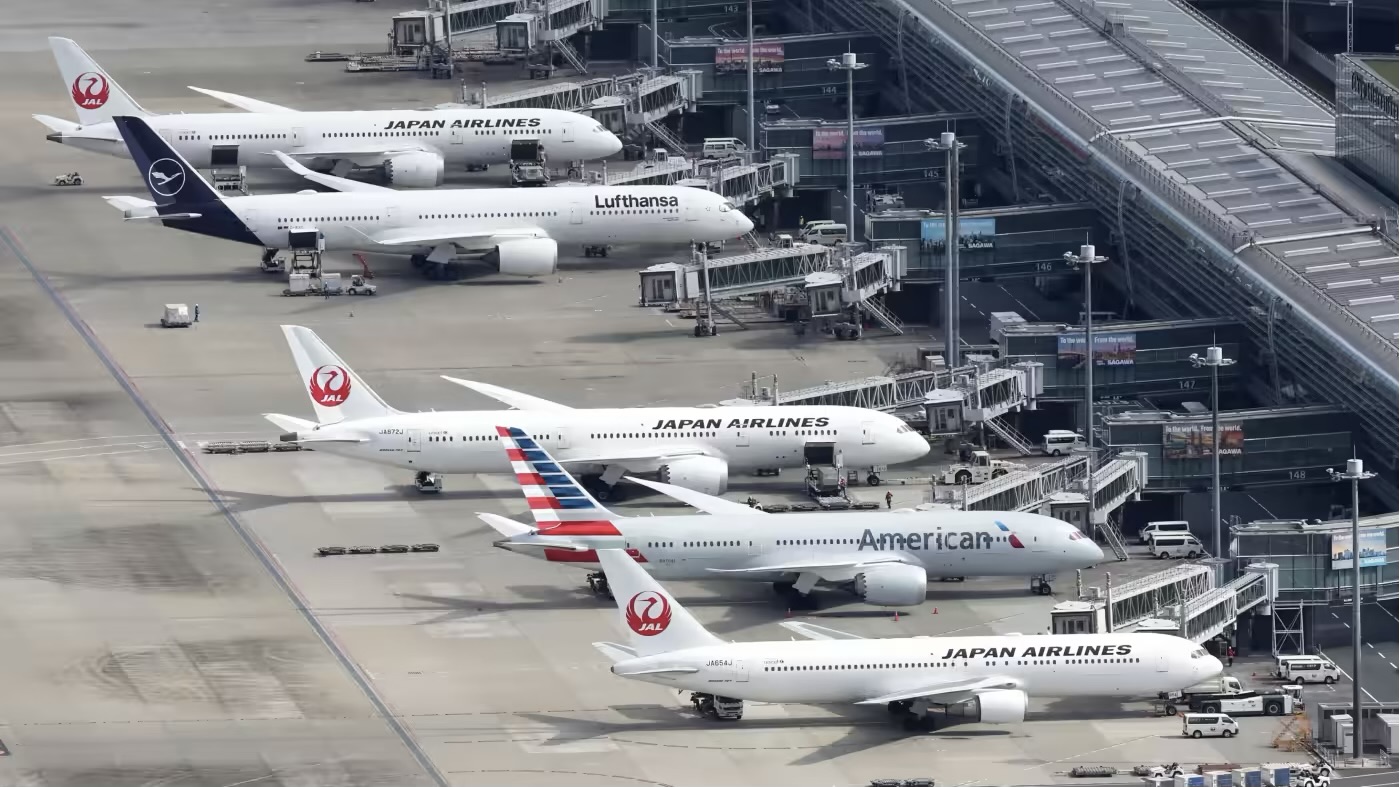
Japan is planning to implement a new regulation that will require 10% sustainable aviation fuel (SAF) use from 2030 for international flights using Japanese airports, as reported by Nikkei Asia on May 25. The Ministry of Economy, Trade, and Industry (METI) will soon submit a proposal to a council composed of members from the public and private sectors. The amendment to the existing Energy Supply Structure Upgrading Law is set to be rolled out by March of next year, mandating that oil wholesalers ensure that 10% of aviation fuel they sell for international flights is SAF. The METI is also considering penalties for wholesalers that fail to meet the specific threshold.
SAF is made from plants and waste oil, and it is manufactured in factories equipped with carbon-absorbing facilities. Compared to traditional fossil fuels, it emits 70% to 90% less carbon dioxide (CO2), although it costs two to five times more. As alternative options like electrification or hydrogen-based fuels are not currently viable for aviation, SAF is seen as a crucial element in decarbonizing the aviation sector. Japan has set a national target to reach a 10% share of SAF in its aviation fuel consumption by 2030. By establishing the 10% threshold for SAF supply and consumption, Japan aims to accelerate the reduction of SAF costs to a level comparable to conventional jet fuel. Last month, Finnish oil refining firm Neste entered into partnerships with Japan’s ITOCHU and Fuji Oil Company to supply SAF to major airlines All Nippon Airways and Japan Airlines .
S****ources:
监控投资组合中的ESG表现,创建自己的ESG框架,并做出更明智的商业决策。
请填写右侧表单或直接通过以下邮箱与我们联系
sales@senecaesg.com7 Straits View, Marina One East Tower, #05-01, Singapore 018936
+(65) 6223 8888
Carrer de la Tapineria, 10
Ciutat Vella, 08002, Barcelona, Spain
+34 612 22 79 06
77 Dunhua South Road, 7F Section 2, Da'an District Taipei City, Taiwan 106414
(+886) 02 2706 2108
Av. Santo Toribio 143,
San Isidro, Lima, Peru, 15073
(+51) 951 722 377