有興趣?立即聯絡我們
請填寫右側表單,或直接郵件聯絡我們:
sales@senecaesg.com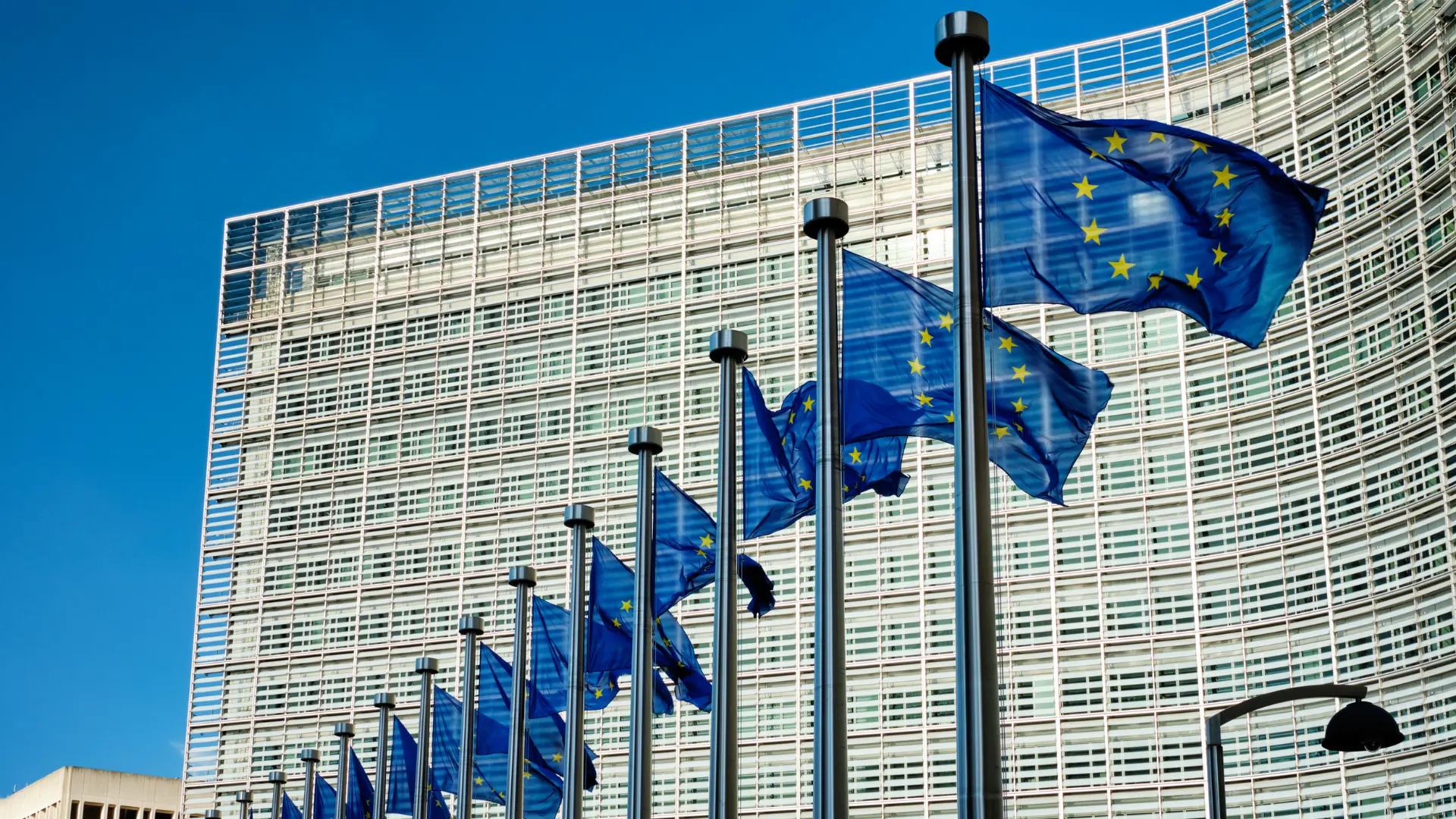
In 2019, the European Union embarked on a journey towards a sustainable future by initiating the Green Deal . This involves significant investments in renewable energy, biodiversity, and circular economy, setting a clear path to a climate-neutral EU by 2050. Ambitions are high, with a 55% reduction in greenhouse gas emissions targeted by 2030. To make these climate goals a reality, an investment plan of 1 trillion euros has been laid out for the coming decade. However, this commitment alone is not enough, and the Union seeks the backing of the private sector to meet the objectives of the Paris climate agreement . This underlines the importance of the EU Taxonomy Regulation.
The EU Taxonomy is essentially a classification system that helps investors and companies determine whether an economic activity is environmentally sustainable. By setting clear criteria, the taxonomy aims to direct private capital towards greener projects and businesses, thereby supporting the EU’s large-scale environmental goals. It defines specific performance thresholds that activities must meet to be considered sustainable, covering areas such as climate change mitigation, climate change adaptation, sustainable use of water and marine resources, the transition to a circular economy, pollution prevention, and the protection of biodiversity and ecosystems.
This system serves as a tool to reduce “greenwashing,” where companies falsely claim their practices or products are environmentally friendly. The rigorous criteria established by the EU Taxonomy provide transparency and reliability, ensuring that investments genuinely contribute to a sustainable future. For businesses, adhering to the taxonomy can enhance their reputation and attract eco-conscious investors. For investors, it provides a clear framework to identify and support genuinely sustainable projects, thereby aligning their portfolios with broader environmental objectives.
The EU Taxonomy is closely linked to non-financial reporting frameworks, particularly the Corporate Sustainability Reporting Directive (CSRD). The CSRD aims to enhance and standardize sustainability reporting among European companies, making it mandatory for large firms to publicly disclose information on how their activities impact the environment, worker rights, and other social factors. By aligning with the EU Taxonomy, the CSRD ensures that the sustainability data reported by companies is consistent, comparable, and transparent. This alignment not only facilitates clearer communication between businesses and investors but also helps in assessing the true sustainability performance of companies. Consequently, the integrated approach boosts the credibility of non-financial reports and aids in steering investment towards genuinely sustainable activities.
The EU Taxonomy regulation offers a clear framework to gauge the sustainability of various economic activities. It takes into account the unique situations and responsibilities of different economic players and is categorized into three main groups:
While the EU Taxonomy is mandatory for large companies under the scope of the NFRD/CSRD, businesses of any size are encouraged to voluntarily adopt this classification system. By doing so, these companies can transparently demonstrate to investors and other stakeholders that their operations or future plans align with sustainability goals. This voluntary disclosure serves as a strong signal of commitment to environmental responsibility and can help attract eco-conscious investors. For smaller companies, engaging with the EU Taxonomy can also enhance their market reputation and credibility, proving their dedication to sustainable business practices even if they are not legally required to report under the NFRD/CSRD frameworks.
Date
Event
24.02.2021
The Green Deal was implemented by the European Commission.
April 2021
Announcing the unveiling of the technical guidelines focused on environmental goals for mitigating and adapting to climate change.
May 2021
Unveiling guidebook on neutral and brown taxonomy (how economic activities can have a low or negative impact on sustainability).
June 2021
The European Commission has set forth guidelines concerning when and how non-financial information should be revealed as per EU taxonomy laws.
June 2021
The European Commission accepted proposed guidelines for an eco-friendly label for retail investment products.
June 2021
Simplified version of the technical guidelines for the final four economic objectives.
September 2021
Finalized eco-label standards for retail investment products.
December 2021
The European Commission considered an expansion of the EU taxonomy regulation to incorporate social and brown taxonomy, according to reports.
December 2021
Unveiling the technical guidelines for the final four environmental objectives.
January 2022
Companies were required to reveal their environmental goals for reducing climate change impacts and adapting to its effects.
July 2022
The European Commission provided an update on the status of implementing the taxonomy regulation.
January 2023
It was compulsory for businesses to reveal the remaining four environmental objectives.
References:
https://commission.europa.eu/strategy-and-policy/priorities-2019-2024/european-green-deal_en
監控投資組合 ESG 表現,自建 ESG 框架,讓商業決策更精準。
請填寫右側表單,或直接郵件聯絡我們:
sales@senecaesg.com7 Straits View, Marina One East Tower, #05-01, Singapore 018936
+(65) 6223 8888
Carrer de la Tapineria, 10
Ciutat Vella, 08002, Barcelona, Spain
+34 612 22 79 06
台灣台北市大安區敦化南路二段77號7樓,106414
(+886) 02 2706 2108
Av. Santo Toribio 143,
San Isidro, Lima, Peru, 15073
(+51) 951 722 377