¿Interesado? Contáctanos ahora
Para contactarnos, por favor llena el formulario a la derecha o envíanos un correo directamente a la dirección de abajo
sales@senecaesg.com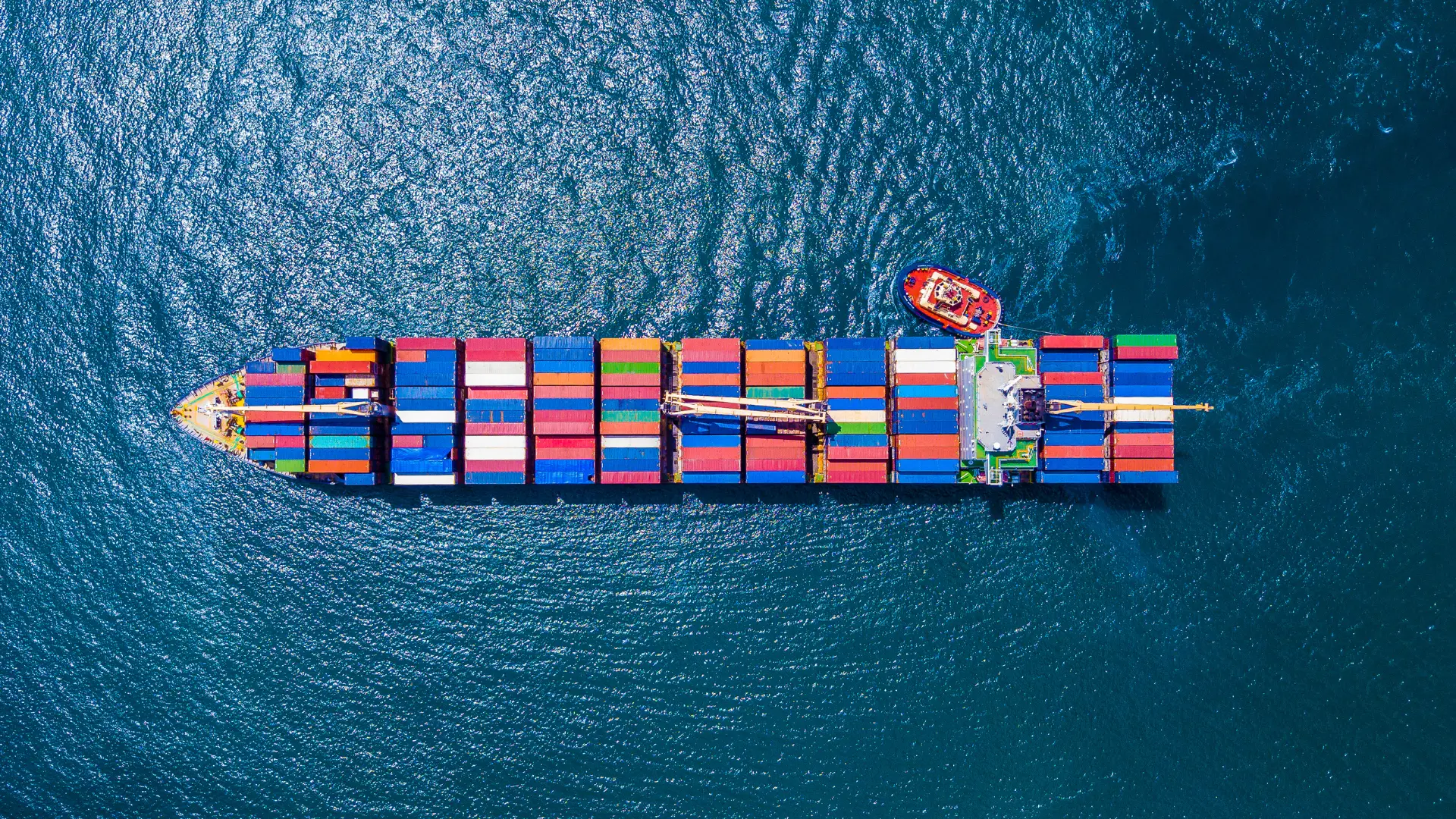
The significance of the shipping industry in the global economy, supporting 90% of worldwide trade, is undeniable. It moves billions of tons of diverse goods annually, yet it heavily depends on pollutant fuels. With two percent of the world’s GHG emissions in 2020, if it were a country, its carbon emissions would rank sixth globally. Moreover, shipping emissions globally even increased by 4.9% in 2021, contributing to about 700 million tons of CO₂ and accounting for 11% of all transport-sector carbon emissions.
As part of a collective movement to minimize the carbon footprint in the ecommerce sector, an increasing number of digital businesses are adopting green strategies such as offering carbon-neutral shipping. This article will guide you through understanding carbon-neutral shipping, its significance, and ways you can contribute to lowering carbon emissions from shipping.
When we hear the phrase “carbon neutral,” what comes to mind? Simply put, carbon-neutral refers to a state where carbon emissions are offset by carbon removal or reduction. It’s an attempt to balance the amount of carbon dioxide released into the atmosphere with the amount that is taken out.
Carbon-neutral shipping applies this concept to the logistics and transport sector, striving to achieve a balance between the carbon dioxide emitted during the shipping process and the actions taken to compensate for those emissions. This does not mean completely eliminating carbon emissions, but rather ensuring that any emissions produced are effectively counterbalanced by removing an equivalent amount of carbon dioxide from the atmosphere, thereby reaching a net zero state.
For instance, the carbon emissions resulting from transporting goods can be balanced by investing in environmental projects or utilizing renewable energy sources that absorb or reduce an equal amount of CO₂. By achieving carbon neutrality, the goal is to make the entire shipping process environmentally sustainable, ultimately mitigating its impact on climate change.
Reducing the carbon footprint of shipping is vital for several reasons. First, as global trade continues to expand, so does the environmental impact of shipping. By adopting carbon-neutral practices, the shipping industry can significantly lower its contribution to global greenhouse gas emissions, aiding in the fight against climate change.
Besides, consumers are increasingly aware of their environmental impact and are seeking more sustainable options. Businesses that offer carbon-neutral shipping can differentiate themselves in a competitive market, appealing to eco-conscious consumers and enhancing their brand reputation.
Importantly, regulatory pressures are growing as governments worldwide implement stricter environmental regulations. Companies that proactively adopt carbon-neutral shipping practices will be better positioned to comply with these regulations, avoiding potential fines and operational disruptions.
Finally, investing in carbon-neutral shipping can lead to long-term economic benefits. As renewable energy sources and eco-friendly technologies advance, the costs associated with sustainable practices are likely to decrease. Early adopters of carbon-neutral initiatives can benefit from these innovations and potentially reduce their operational costs over time.
A variety of methods and approaches exist to decrease carbon emissions and encourage sustainability within the movement of commodities and services.
Techniques aimed at lowering carbon output concentrate on minimizing the emissions produced throughout your supply chain operation. This significantly affects your carbon footprint. Here are a few primary strategies that can be incorporated into your daily operations:
Upgrade to Energy-Efficient Vessels: Investing in newer, more energy-efficient ships is one of the most effective ways to reduce emission levels. Modern vessels are built with advanced technologies aimed at improving fuel efficiency and reducing greenhouse gas emissions. These may include optimized hull designs, improved engine performance, and the use of aerodynamic technology to reduce resistance.
Adopt Slow Steaming: Slow steaming, the practice of operating shipping vessels at significantly lower speeds, can lead to substantial reductions in fuel consumption and carbon emissions. By reducing the speed of the ship, the engine burns less fuel, which directly lowers the amount of CO₂ released into the atmosphere. This practice also extends the longevity of the vessels, reducing maintenance costs.
Utilize Alternative Fuels: Transitioning to cleaner alternative fuels such as liquefied natural gas (LNG), biofuels, or hydrogen can remarkably decrease carbon emissions. These fuels generally produce fewer greenhouse gases compared to conventional marine fuels. For instance, LNG burns more cleanly and emits less sulfur, nitrogen oxides, and particulates.
Implement Route Optimization: Leveraging advanced software for route optimization enables shipping companies to chart the most fuel-efficient paths. This software takes into account various factors such as ocean currents, weather conditions, and port congestion to plot routes that minimize fuel consumption. Efficient navigation reduces both travel distance and time, contributing to decreased carbon emissions.
Increase Load Efficiency: Enhancing how cargo is loaded onto ships can have a significant impact on fuel efficiency. By ensuring that shipping containers are packed optimally and ships are fully loaded, companies can reduce the number of trips required to transport the same amount of goods. This maximizes the use of available space and decreases the per-item carbon footprint.
Adopt Hybrid and Electric Propulsion Systems: Innovative propulsion systems, including hybrid and fully electric engines, are gaining traction in the shipping industry. Hybrid systems combine traditional fuel engines with electric propulsion, reducing fuel consumption and emissions. Fully electric ships, powered by renewable energy sources such as batteries or solar panels, present a zero-emission solution that may become more viable as technology advances.
Offsetting approaches involve balancing out emissions that cannot be eliminated through reduction strategies alone. This typically entails investing in environmental projects designed to remove or absorb an equivalent amount of CO₂ from the atmosphere.
While each of these approaches has its strengths and can contribute significantly to reducing carbon emissions in shipping, the combination of multiple strategies is often necessary to achieve meaningful impact. Investing in energy-efficient vessels and alternative fuels can provide immediate benefits in emission reduction, while adopting slow steaming and route optimization can enhance operational efficiency over time. Offsetting remains a crucial complement, with projects like reforestation and renewable energy helping to balance out residual emissions. Ultimately, a holistic approach integrating both reduction and offsetting techniques is essential for the shipping industry to meet its carbon-neutral goals.
Several major players in the shipping industry have already made significant strides toward carbon neutrality. These companies are at the forefront of adopting innovative practices and technologies to meet environmental standards and reduce their carbon footprint.
These companies represent a growing trend within the shipping industry towards more sustainable and environmentally friendly operations. Through the adoption of innovative technologies and practices, they are setting benchmarks for what can be achieved in the strive for carbon neutrality.
Ultimately, embracing carbon-neutral shipping is a pivotal strategy in mitigating the environmental consequences caused by the shipping sector. Recognizing the value of sustainability is becoming more prevalent globally. Together, businesses and people alike will play their part in fostering a more environmentally friendly future.
References:
https://www.statista.com/topics/11288/shipping-emissions-worldwide/#topicOverview
https://unfccc.int/process-and-meetings/the-paris-agreement
https://www.maersk.com/news/articles/2022/01/12/setting-the-bar-to-net-zero-emissions
https://www.cmacgm-group.com/en/net-zero-2050
Monitorea el desempeño ESG en carteras, crea tus propios marcos ESG y toma decisiones empresariales mejor informadas.
Para contactarnos, por favor llena el formulario a la derecha o envíanos un correo directamente a la dirección de abajo
sales@senecaesg.com7 Straits View, Marina One East Tower, #05-01, Singapur 018936
+(65) 6223 8888
Carrer de la Tapineria, 10
Ciutat Vella, 08002, Barcelona, Spain
+34 612 22 79 06
77 Dunhua South Road, 7F Sección 2, Distrito Da'an, Taipéi, Taiwán 106414
(+886) 02 2706 2108
Av Jorge Basadre Grohmann 607 San Isidro, Lima, Perú 15073
(+51) 951 722 377