Tertarik? Hubungi kami sekarang
Untuk menghubungi kami, silakan isi formulir di sebelah kanan atau email langsung ke alamat di bawah ini
sales@senecaesg.com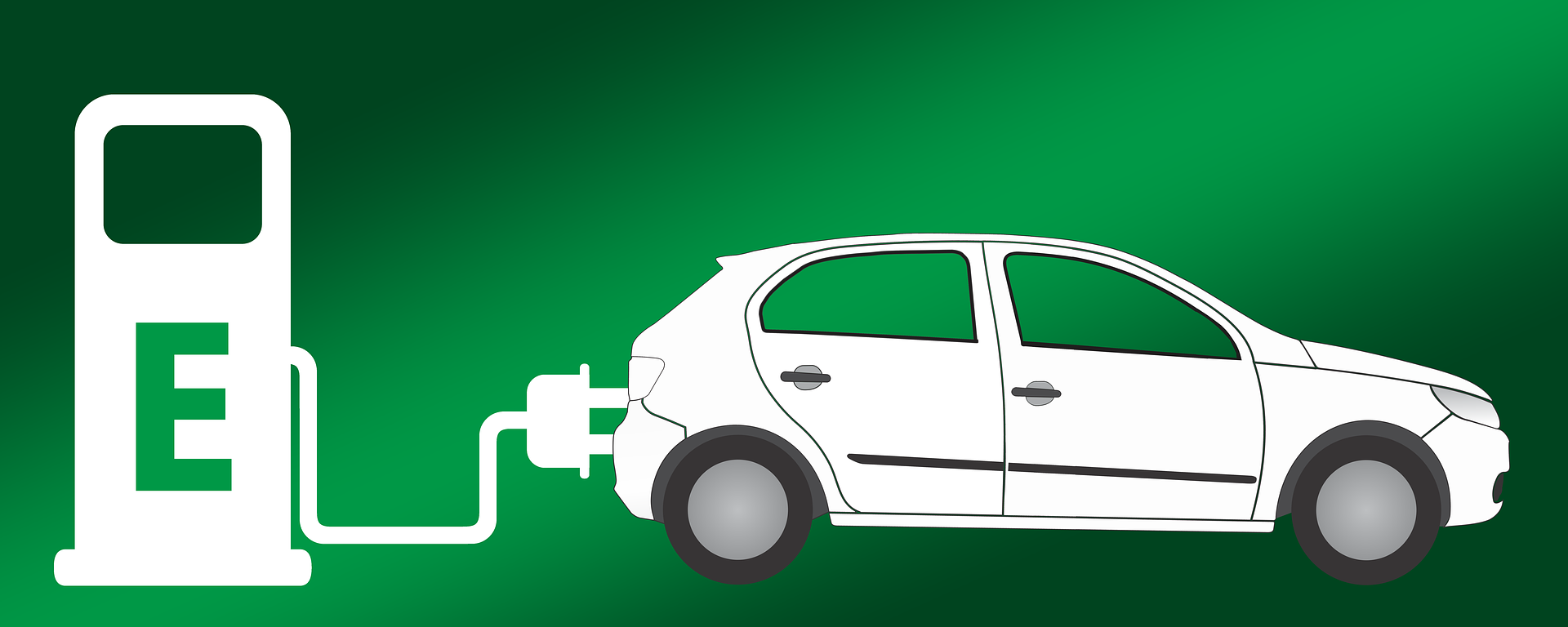
State Council issued its development plan for the new energy vehicle (NEV) industry which will span from 2021 to 2035 on November 2, as reported by Caixin on the same day. The Chinese government’s definition of NEVs include battery electric vehicles (BEV), plug-in hybrid electric vehicles (PHEV), and fuel cell vehicles (FCV). In the document, the Chinese government proposed that the target sales volume of NEVs shall account for 20% of the total new car sales in the country in 2025. Furthermore, by 2035, BEVs shall make up the major part of new car sales, all vehicles used in public sectors should be electric, and FCVs will achieve commercialization. China Society of Automobile Engineers (China-SAE) on October 27 forecasted that the total automobile sales of the country will hit 32m units in 2025. Correspondingly, based on the 20% target, NEV sales should reach 6.4m units that year, in comparison with 1.21m units in 2019.
From 2009, the country launched supporting policies to boost the domestic NEV industry and lead automakers to develop energy-saving and NEV technologies, such as subsidies for consumers and a dual credits policy for passenger car makers. Notably, under the dual credits policy, automakers should ensure the average fuel consumption of their newly sold passenger cars are below the regulatory ceiling and meet the NEV sales target set by the Ministry of Industry and Information Technology (MIIT). Otherwise, they will be suspended from producing or selling high fuel consumption vehicles. To ease pressure on carmakers, Chinese authorities also have permitted them to manufacture cars with low fuel consumption to meet their required NEV credits. As a result, in 2019, the country sold a total of 1.06m NEVs, ranking first globally, and the average fuel consumption of newly sold passenger cars was 5.5 liters per kilometer, down over 10% compared to 2016. In addition, the newest NEV development plan also set a goal that the average fuel consumption shall further decline to 4.0 liters/km in 2025. Continued government level support for NEVs will affect automakers and suppliers across the transportation industry and test their business model resiliency and innovation over the next few years. Depending on how well these companies can adapt to a low-carbon output regulatory environment, and capture consumer market share with new types of vehicles will determine their long-term performance.
Reference:
http://www.caixin.com/2020-11-02/101622134.html
http://www.xinhuanet.com/fortune/2020-07/17/c_1126248951.htm
Pantau kinerja ESG di portofolio, buat kerangka ESG Anda sendiri, dan ambil keputusan bisnis yang lebih baik.
Untuk menghubungi kami, silakan isi formulir di sebelah kanan atau email langsung ke alamat di bawah ini
sales@senecaesg.com7 Straits View, Marina One East Tower, #05-01, Singapura 018936
+(65) 6223 8888
Carrer de la Tapineria, 10
Ciutat Vella, 08002, Barcelona, Spain
+34 612 22 79 06
77 Dunhua South Road, 7F Section 2, Distrik Da'an Taipei City, Taiwan 106414
(+886) 02 2706 2108
Av. Santo Toribio 143,
San Isidro, Lima, Peru, 15073
(+51) 951 722 377