Intéressé ? Contactez-nous maintenant
Pour nous contacter, veuillez remplir le formulaire à droite ou nous envoyer directement un email à l'adresse ci-dessous
sales@senecaesg.com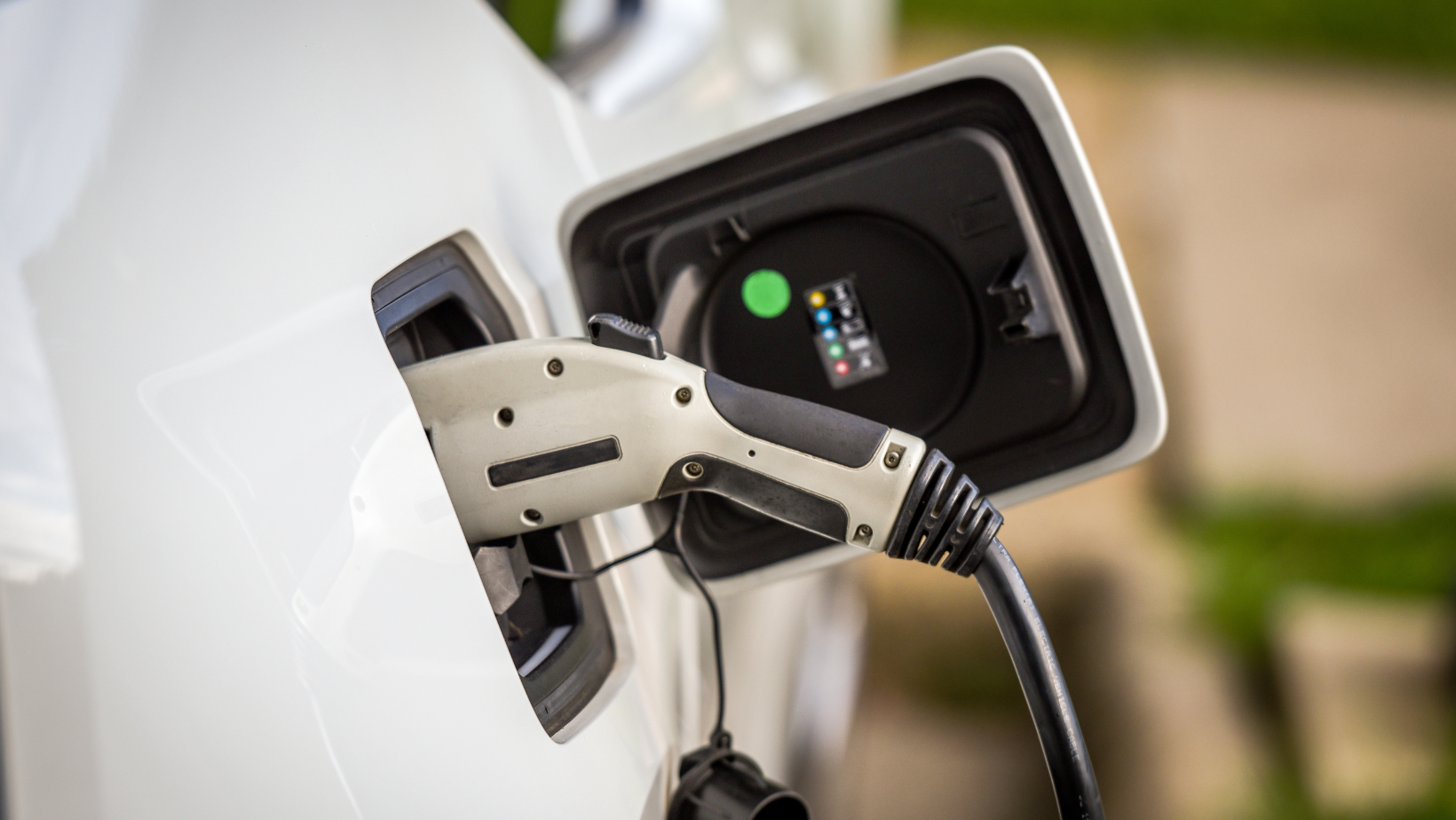
China’s position as the world’s leading manufacturing hub has enabled it to dominate the electric vehicle (EV) market, thanks to significant government subsidies and control over key supply chains. The cost of EVs in China averages $33,000, significantly lower than the $70,700 in Europe and $72,000 in the U.S., making Chinese EVs highly competitive. This cost gap is exacerbated by Western tariffs, which have proven ineffective in narrowing the price difference and have instead hindered domestic EV adoption.
High EV costs in the West pose a major barrier to achieving a carbon-neutral future, impacting young people the most, as they are the strongest proponents of sustainability but often lack the financial means. To close this gap, Western countries must shift from tariffs to competitive subsidies, enhance battery manufacturing, and build supporting infrastructure. Currently, the U.S. government’s efforts in this area have been insufficient, resulting in low EV adoption rates and inadequate charging infrastructure.
China’s dominance in lithium-ion battery production, driven by substantial investments and subsidies, also contributes to its competitive edge. Despite some Western efforts to localize battery production, most manufacturers still rely on affordable Chinese lithium cells. To compete, Western governments must prioritize domestic lithium cell and battery manufacturing subsidies.
The West needs to leverage its existing resources and workforce to reclaim its position as a leader in technological innovation within the automotive sector. By focusing on sustainability, ESG (Environmental, Social, and Governance) principles, and a carbon-neutral strategy, Western countries can reduce their reliance on tariffs, support local manufacturers, and improve infrastructure. This will not only boost domestic EV production but also contribute to global sustainability efforts.
In summary, a strategic shift towards subsidies, enhanced infrastructure, and domestic manufacturing is essential for the U.S. and Europe to compete with China’s EV market and achieve long-term sustainability goals.
Sources:
Suivez les performances ESG dans les portefeuilles, créez vos propres cadres ESG et prenez de meilleures décisions commerciales éclairées.
Pour nous contacter, veuillez remplir le formulaire à droite ou nous envoyer directement un email à l'adresse ci-dessous
sales@senecaesg.com7 Straits View, Marina One East Tower, #05-01, Singapour 018936
+(65) 6223 8888
Carrer de la Tapineria, 10
Ciutat Vella, 08002, Barcelona, Spain
+34 612 22 79 06
77 Dunhua South Road, 7F Section 2, Da'an District Taipei City, Taïwan 106414
(+886) 02 2706 2108
Av Jorge Basadre Grohmann 607 San Isidro, Lima, Pérou 15073
(+51) 951 722 377