有興趣?立即聯絡我們
請填寫右側表單,或直接郵件聯絡我們:
sales@senecaesg.com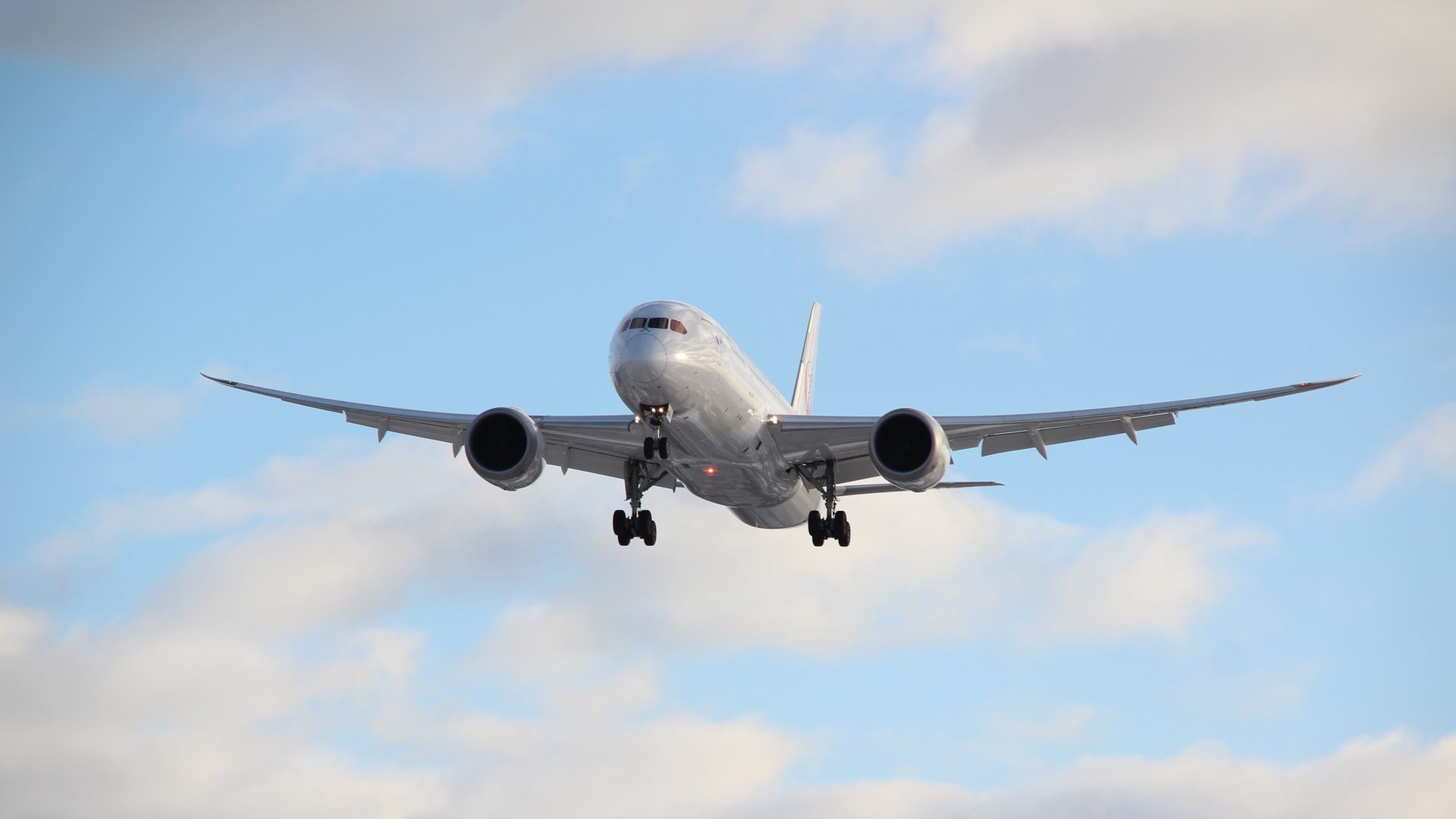
The Japanese government plans to set up a public-private committee this year to draw up measures to promote production and utilization of sustainable aviation fuels (SAFs), in a move to have airlines substitute SAFs for 10% of traditional jet fuels by 2030, as reported by Nikkei Asia on February 15. Japan Transport and Tourism Research Institute (JTTRI) estimates the theoretic production capacity of SAFs could hit 7.06m to 13.13m kiloliters (kl) annually by 2030, comprising of a 40% blend of carbon dioxide and hydrogen and 32% municipal and industrial waste. Considering the impact of government policies, JTTRI expects the actual SAF supply to reach up to 1.34m kl per year by 2030, sufficient to provide 10% of the fuel consumption in the aviation industry.
SAF emits up to 80% less carbon dioxide and costs two to five times more than fossil fuels. Due to the expensive manufacturing cost, such eco-friendly fuel made up less than 1% of the global jet fuel consumption in 2020. Japan aims to bring down the cost of SAFs to less than USD1.83 per liter, comparable to that of traditional jet fuel. To achieve this ambition, Japan’s JGC Holdings and petroleum enterprise Cosmo Oil have planned to set up a SAF factory in Osaka, which could produce up to 30,000 kl per year from 2025. Also, Singapore Airlines announced in February that it will launch a one-year trial of using SAFs provided by ExxonMobil from 3Q22. Last year, the International Civil Aviation Organization called on airlines to stop increasing emissions from 2019 levels, before it mandates such requirement from 2027.
Sources:
監控投資組合 ESG 表現,自建 ESG 框架,讓商業決策更精準。
請填寫右側表單,或直接郵件聯絡我們:
sales@senecaesg.com7 Straits View, Marina One East Tower, #05-01, Singapore 018936
+(65) 6223 8888
Carrer de la Tapineria, 10
Ciutat Vella, 08002, Barcelona, Spain
+34 612 22 79 06
台灣台北市大安區敦化南路二段77號7樓,106414
(+886) 02 2706 2108
Av. Santo Toribio 143,
San Isidro, Lima, Peru, 15073
(+51) 951 722 377